The Complete Guide to Choosing and Using Fillet Knife Sharpeners for Perfect Edges
How the Right Fillet Knife Sharpener Transforms Precision Cutting
A fillet knife sharpener plays a critical role in maintaining the razor-thin edge required for clean, precise cuts. Fillet knives are designed for delicate tasks, especially when working with fish, poultry, or fine meats, where accuracy and smooth motion matter. A properly sharpened blade reduces resistance, improves control, and minimizes waste during preparation. Without consistent sharpening, even the highest-quality fillet knife can become dull, unsafe, and frustrating to use. Understanding how sharpeners work and why they matter helps users protect their investment while improving everyday kitchen performance. This guide explores the tools, techniques, and knowledge required to keep fillet knives performing at their peak for years.
Understanding the Purpose of Fillet Knife Sharpeners
Fillet knife sharpeners are engineered to restore and refine the thin, flexible edges unique to fillet knives. Unlike standard chef knives, fillet blades are narrower and more delicate, requiring controlled sharpening angles. A sharpener designed for this purpose ensures the blade edge remains consistent without removing excessive metal. This balance is essential because over-sharpening can weaken the blade, while under-sharpening leads to poor cutting performance. By using the correct sharpener, users can maintain optimal sharpness while extending the life of their knife. This makes fillet knife sharpeners a practical necessity for anyone serious about precision food preparation.
Why Fillet Knives Require Specialized Sharpening Tools
Fillet knives differ from other kitchen knives due to their flexibility and thin blade profile. These characteristics allow them to glide along bones and skin, but they also make them more sensitive to improper sharpening. Traditional sharpeners may apply uneven pressure, causing chips or bends along the edge. Specialized fillet knife sharpeners accommodate lower sharpening angles, preserving the blade’s structure. They also help maintain uniform sharpness along the entire edge, which is vital for smooth slicing motions. Using a sharpener tailored to fillet knives ensures consistent results and reduces the risk of damaging a valuable kitchen tool.
Types of Fillet Knife Sharpeners Available Today
Modern fillet knife sharpeners come in several forms, each offering unique advantages. Manual sharpeners provide hands-on control, allowing users to adjust pressure and angle based on experience. Electric sharpeners offer speed and convenience, often featuring preset angles for consistent results. Sharpening stones, also known as whetstones, deliver exceptional precision when used correctly, making them popular among professionals. Each type serves a different skill level and preference, but all aim to achieve the same goal: a clean, sharp edge. Choosing the right type depends on usage frequency, skill, and desired level of control.
Manual Fillet Knife Sharpeners and Their Advantages
Manual sharpeners are widely appreciated for their simplicity and affordability. They typically feature slots with abrasive materials that guide the blade at an appropriate angle. This design makes them accessible to beginners while still effective for experienced users. Manual sharpeners allow greater sensitivity to the blade’s condition, enabling gradual sharpening without excessive metal removal. They are also compact and easy to store, making them ideal for home kitchens or outdoor use. For those who prefer hands-on involvement and precise control, manual fillet knife sharpeners offer a reliable solution.
Electric Fillet Knife Sharpeners for Convenience
Electric sharpeners provide an efficient option for users seeking quick and consistent results. These devices use motor-driven abrasive wheels to sharpen blades evenly. Many models include multiple stages, such as coarse sharpening, honing, and polishing. This staged approach helps restore dull blades while refining the edge for smooth cutting. Electric sharpeners are particularly useful in busy kitchens where time efficiency matters. However, they require careful selection to ensure compatibility with thin fillet blades. When used properly, electric sharpeners deliver professional-level sharpness with minimal effort.
Sharpening Stones and Traditional Techniques
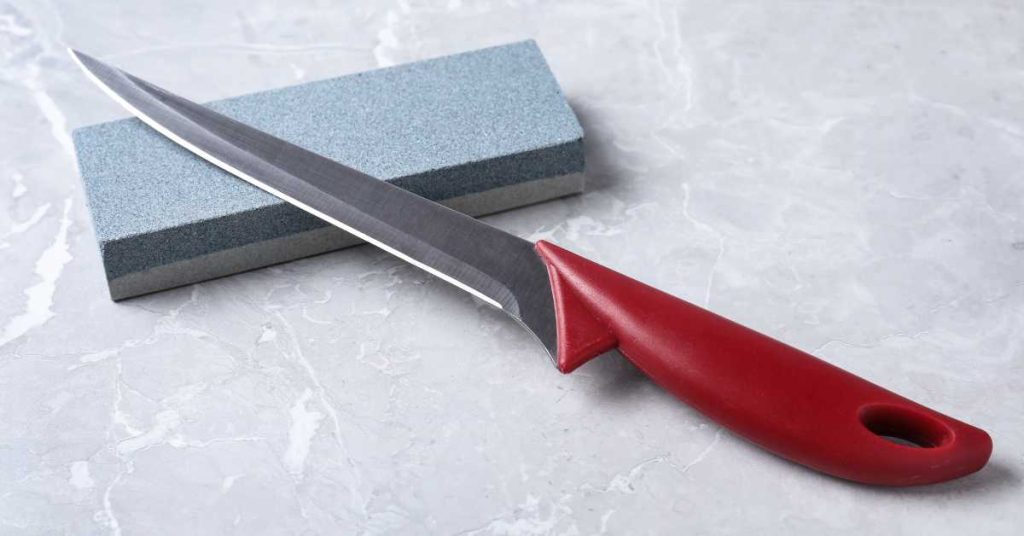
Sharpening stones remain a trusted choice among culinary professionals and enthusiasts. They offer unmatched control over sharpening angles and pressure, allowing precise edge refinement. Stones are available in various grit levels, from coarse for repairing damaged edges to fine for polishing. Using a stone requires practice and patience, but the results are often superior. This method preserves the blade’s integrity while achieving exceptional sharpness. For those willing to invest time in learning proper technique, sharpening stones provide a timeless and effective approach to maintaining fillet knives.
The Importance of Sharpening Angle for Fillet Knives
Sharpening angle plays a crucial role in determining blade performance and longevity. Fillet knives typically require a lower angle, often between 12 and 15 degrees, to maintain their thin, flexible edge. A sharper angle produces a finer edge, ideal for delicate cuts, but it also requires careful handling to avoid damage. Using a sharpener designed to maintain this angle ensures consistent results. Incorrect angles can lead to uneven edges or premature dulling. Understanding and maintaining the proper sharpening angle is essential for achieving optimal fillet knife performance.
How Often Fillet Knives Should Be Sharpened
The frequency of sharpening depends on usage intensity and cutting surfaces. Regular home cooks may need to sharpen fillet knives every few months, while professional chefs might sharpen weekly. Signs that sharpening is needed include increased resistance during cutting and visible dullness along the edge. Routine honing between sharpening sessions can extend intervals by realigning the blade edge. Consistent maintenance prevents excessive wear and reduces the need for aggressive sharpening. Establishing a regular sharpening schedule ensures fillet knives remain safe, efficient, and enjoyable to use.
Honing Versus Sharpening Explained Clearly
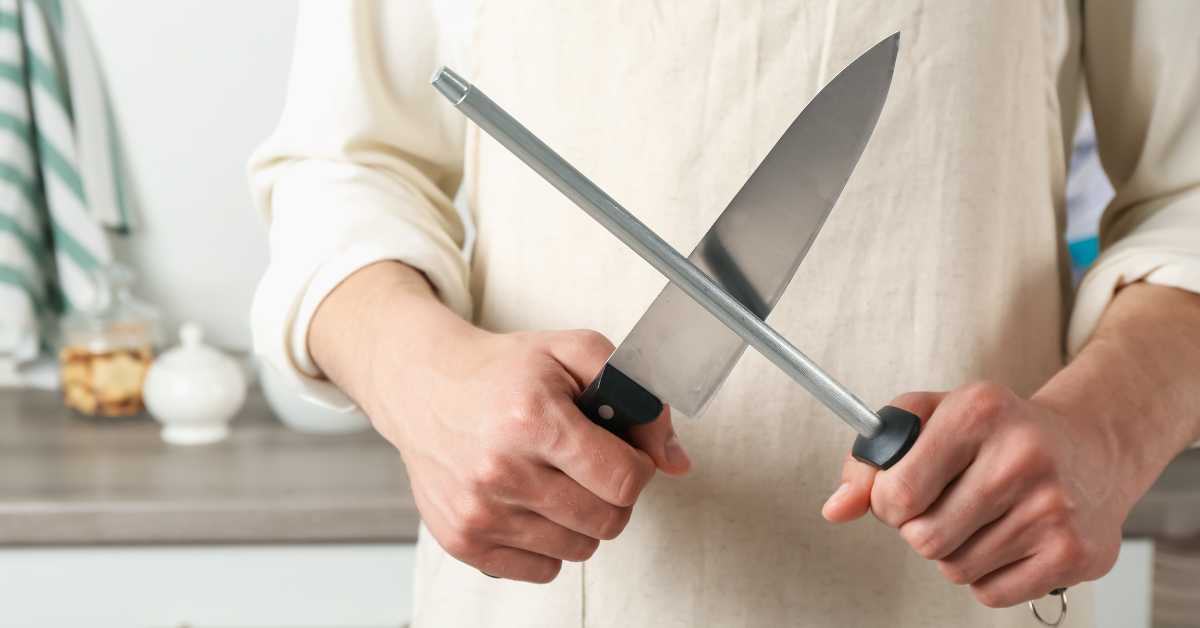
Honing and sharpening are often confused, but they serve different purposes. Honing realigns the blade edge without removing metal, maintaining sharpness between sharpening sessions. Sharpening, on the other hand, removes material to create a new edge. Fillet knives benefit from frequent honing due to their thin profile. Using a honing rod helps preserve sharpness and delays the need for sharpening. Understanding this distinction allows users to maintain blades effectively while minimizing unnecessary wear. Both processes work together to keep fillet knives performing at their best.
Materials Used in Fillet Knife Sharpeners
Fillet knife sharpeners use various abrasive materials to achieve desired results. Common options include ceramic, diamond, and carbide abrasives. Diamond abrasives are highly durable and effective for rapid sharpening, making them ideal for very dull blades. Ceramic abrasives provide gentle refinement and polishing, suitable for maintaining sharpness. Carbide abrasives offer aggressive sharpening but require careful use to avoid excessive metal removal. Selecting the right abrasive material ensures efficient sharpening while protecting the blade’s delicate edge. Material choice significantly impacts sharpening speed and final edge quality.
Safety Considerations When Sharpening Fillet Knives
Sharpening fillet knives requires attention to safety due to the blade’s flexibility and sharpness. Maintaining a stable surface and proper grip reduces the risk of slips and injuries. Using non-slip mats or bases helps secure sharpening tools during use. Electric sharpeners should be operated according to manufacturer instructions to prevent accidents. Wearing cut-resistant gloves adds an extra layer of protection, especially for beginners. Prioritizing safety ensures sharpening remains a productive and injury-free task, allowing users to focus on achieving optimal blade performance.
Common Mistakes to Avoid During Sharpening
Many users unknowingly make mistakes that compromise blade quality. Applying excessive pressure can remove too much metal and weaken the blade. Inconsistent angles lead to uneven edges that affect cutting performance. Skipping grit stages may result in a rough edge rather than a polished finish. Additionally, overusing aggressive sharpeners can shorten a knife’s lifespan. Being mindful of these pitfalls helps users achieve better results while preserving their fillet knives. Learning proper technique and using suitable tools are key to avoiding common sharpening errors.
Maintaining Fillet Knives Between Sharpening Sessions
Proper maintenance extends the time between sharpening sessions and preserves blade quality. Washing and drying fillet knives immediately after use prevents corrosion and staining. Storing knives in protective sheaths or knife blocks reduces edge damage. Regular honing keeps the blade aligned and sharp. Avoiding hard cutting surfaces, such as glass or stone, minimizes dulling. These simple habits significantly enhance knife longevity. Consistent maintenance ensures fillet knives remain reliable tools for precision cutting without frequent sharpening.
Evaluating Quality in Fillet Knife Sharpeners
Quality fillet knife sharpeners demonstrate durability, consistency, and user-friendly design. High-quality materials ensure long-term performance and reliable results. Ergonomic handles and stable bases improve control and safety during use. Adjustable or guided angle systems enhance precision, especially for beginners. Reading user feedback and professional evaluations helps identify reputable options. Investing in a quality sharpener ultimately saves time and protects valuable knives. A well-designed sharpener delivers consistent sharpness while preserving blade integrity.
Why Professionals Prioritize Proper Sharpening Tools
Professional chefs and fishmongers rely on perfectly sharpened fillet knives to maintain efficiency and presentation quality. A sharp blade reduces fatigue and improves accuracy during repetitive tasks. Proper sharpening tools ensure consistency across multiple knives, supporting workflow demands. Professionals understand that investing in reliable sharpeners enhances productivity and safety. Their preference for specialized tools highlights the importance of matching sharpeners to blade type. Adopting professional practices elevates home cooking experiences and improves overall results.
Environmental Impact of Proper Knife Maintenance
Maintaining fillet knives through proper sharpening reduces waste by extending blade lifespan. Fewer replacements mean less manufacturing demand and reduced environmental impact. Using durable sharpeners also minimizes disposable tool usage. Responsible maintenance practices contribute to sustainability by maximizing resource efficiency. Choosing quality tools and maintaining knives properly aligns with environmentally conscious kitchen habits. This approach benefits both users and the environment, demonstrating that proper sharpening is not only practical but also responsible.
The Role of Skill Development in Sharpening
Sharpening fillet knives effectively improves with practice and education. Developing a feel for pressure, angle, and stroke enhances results over time. Watching instructional resources and studying blade behavior accelerates learning. Many professionals recommend starting with less valuable knives to build confidence. Skill development transforms sharpening from a chore into a rewarding craft. As proficiency increases, users achieve sharper edges with less effort, reinforcing the value of mastering proper sharpening techniques.
Comparing Cost Versus Value in Sharpeners
Fillet knife sharpeners range widely in price, but cost does not always reflect value. Affordable manual sharpeners can deliver excellent results when used correctly. Higher-priced electric models offer convenience and speed, appealing to frequent users. Evaluating features, durability, and performance provides a clearer picture of value. Investing in a sharpener that matches usage needs ensures satisfaction and long-term savings. Understanding the relationship between cost and value helps users make informed purchasing decisions.
Selecting the Best Sharpener for Individual Needs
Choosing the right fillet knife sharpener depends on experience level, usage frequency, and personal preference. Beginners may prefer guided systems that simplify angle control. Experienced users often appreciate the flexibility of stones or advanced manual tools. Busy kitchens benefit from electric sharpeners that save time. Evaluating these factors ensures a suitable choice that enhances knife performance. A well-matched sharpener supports consistent results and long-term satisfaction for any user.
Long-Term Benefits of Using the Right Sharpener
Using an appropriate fillet knife sharpener delivers long-term benefits beyond immediate sharpness. Consistent maintenance preserves blade integrity, reducing replacement costs. Improved cutting performance enhances efficiency and enjoyment in the kitchen. Proper sharpening also promotes safety by reducing the need for excessive force. Over time, these advantages contribute to a more sustainable and satisfying cooking experience. The right sharpener becomes an essential tool that supports culinary excellence.
Understanding Edge Retention and Sharpness
Edge retention refers to how long a blade remains sharp after sharpening. Fillet knives with thin edges may require more frequent maintenance, making proper sharpening crucial. High-quality sharpeners create refined edges that last longer. Using correct techniques and materials enhances edge retention. Understanding this concept helps users manage expectations and plan maintenance schedules. A focus on edge retention ensures consistent performance during food preparation tasks.
Integrating Sharpening Into Kitchen Routine
Incorporating sharpening into regular kitchen routines simplifies maintenance. Setting reminders for honing and sharpening ensures blades remain in optimal condition. Keeping sharpeners accessible encourages consistent use. Treating sharpening as part of knife care rather than an occasional task improves results. This proactive approach reduces frustration and enhances overall efficiency. Integrating sharpening into daily habits transforms knife maintenance into a seamless aspect of cooking.
Learning From Expert Recommendations
Culinary experts consistently emphasize the importance of proper sharpening tools. Many recommend researching reliable resources that explain blade care and sharpening principles. Educational articles from reputable culinary organizations provide valuable insights into maintaining sharp edges. For example, guidance from professional cooking resources highlights best practices for knife maintenance and sharpening techniques. Learning from experts reinforces proper habits and helps users avoid common mistakes, ensuring long-lasting fillet knife performance.
Exploring Modern Innovations in Sharpening
Advancements in sharpening technology continue to improve user experience. Modern sharpeners feature enhanced abrasives, precision guides, and safety improvements. Some models incorporate hybrid designs that combine manual control with electric efficiency. These innovations aim to deliver consistent results with minimal effort. Staying informed about new developments helps users select tools that meet evolving needs. Innovation in sharpening technology reflects ongoing demand for precision and convenience in the kitchen.
Final Thoughts on Fillet Knife Sharpeners
Fillet knife sharpeners are indispensable tools for maintaining precision, safety, and efficiency in food preparation. Understanding blade characteristics, sharpening methods, and maintenance practices empowers users to make informed decisions. By choosing the right sharpener and developing proper technique, anyone can achieve professional-level results at home. Those seeking reliable guidance often explore curated resources such as Best Fillet Knife Sharpeners to compare options and understand key features. Consistent care ensures fillet knives remain sharp, effective, and enjoyable to use for years.