Commercial Doors for Restaurants: Enhancing Efficiency, Safety, and Hygiene
In restaurants, every element affects operations, from kitchen layout to the materials used in the dining area. Doors may seem like a minor detail, but commercial doors for restaurants play a pivotal role in workflow, hygiene, safety, and security. Selecting the right type of door ensures smooth kitchen operations, temperature control, safe staff movement, and a professional customer experience. Poorly designed or maintained doors can disrupt service, compromise food safety, and increase operational costs.
This guide provides a comprehensive look at commercial doors designed for restaurants, covering types, materials, features, installation considerations, and maintenance strategies.
Why Specialized Doors Are Critical in Restaurants
Restaurants are fast-paced environments where safety, speed, and cleanliness are essential. Doors serve multiple purposes beyond merely separating spaces:
Streamlining Workflow
Kitchens, prep areas, and service stations require doors that allow quick, unobstructed movement. Staff often carry trays, carts, or equipment, and a poorly designed door slows service and increases accident risks.
Maintaining Hygiene
Food safety regulations require strict control over contamination. Doors act as a barrier between prep areas and storage or dining areas, helping to prevent pests and cross-contamination.
Temperature Control
Walk-in coolers, freezers, and heated areas rely on doors with tight seals and insulation. Inefficient doors cause temperature fluctuations, increasing energy costs and risking food spoilage.
Safety and Compliance
Fire-rated doors, emergency exits, and accessible entries ensure compliance with safety standards while protecting staff and customers.
Security
Back-of-house entrances, stock rooms, and waste disposal areas require doors that prevent unauthorized access while withstanding high traffic.
By addressing these factors, commercial doors improve operational efficiency, reduce risk, and protect the business.
Common Types of Commercial Doors in Restaurants
Choosing the right door depends on the restaurant’s layout, function, and traffic patterns. Here are the most commonly used types:
Swing or Impact Doors
Also known as double-action doors, they swing in both directions and are ideal for kitchen-to-service pathways. Staff can push doors open without using hands, allowing rapid movement and reducing collisions. Vision panels are often included to prevent accidents.
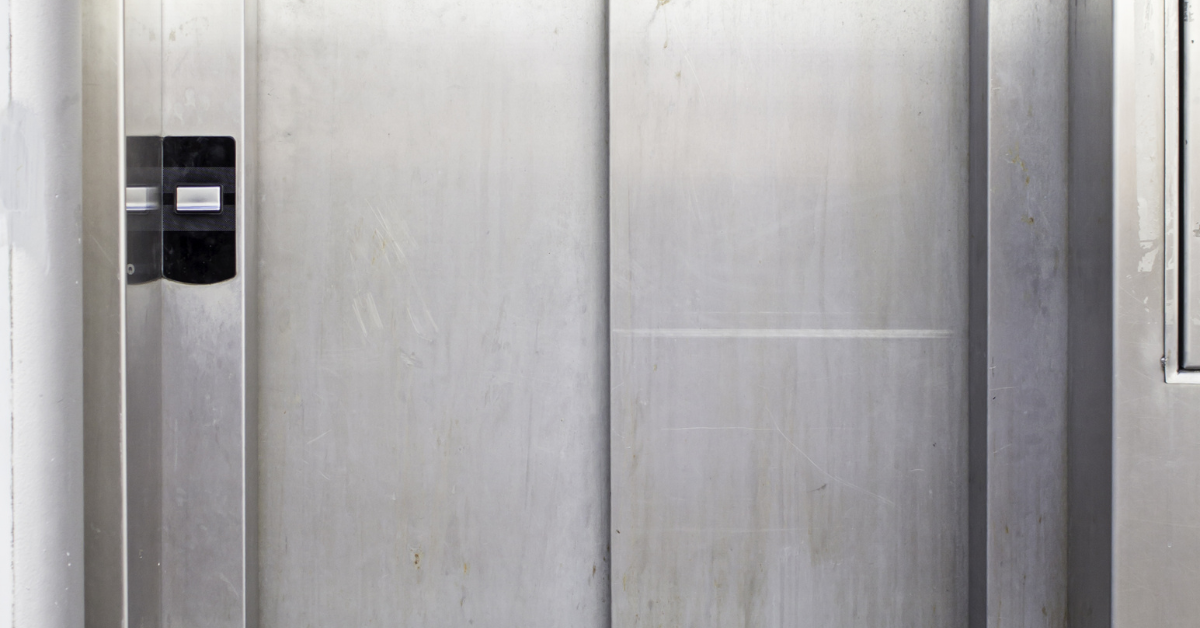
Stainless Steel Doors
Stainless steel doors are preferred in kitchens and food prep areas because they resist heat, moisture, and cleaning chemicals. They are durable, hygienic, and easy to sanitize.
Insulated Doors
Used in walk-in coolers and freezers, insulated doors help maintain consistent temperatures. Proper seals reduce energy consumption and protect food quality.
Roll-Up Doors
Roll-up doors are ideal for delivery bays and storage entrances. They save space and can be equipped with insulation or heavy-duty tracks for durability.
Fire-Rated Doors
Fire-rated doors are essential in kitchens, utility rooms, and certain hallways. They contain fire for a specified period, allowing safe evacuation and reducing damage.
Automatic Sliding Doors
Ideal for front entrances, these doors provide hands-free access for guests and staff, improve accessibility, and maintain temperature control.
Aluminum and Glass Doors
Front-of-house entrances often feature aluminum and glass for visibility, aesthetic appeal, and durability. Tempered glass ensures safety while maintaining an elegant appearance.
Key Materials and Finishes
Material selection affects hygiene, durability, safety, and appearance.
- Stainless Steel: Resistant to corrosion, heat, moisture, and cleaning chemicals. Ideal for kitchens and high-traffic back-of-house areas.
- Galvanized Steel: Cost-effective and strong; suitable for storage areas and exterior use. Must be coated to prevent rust.
- Aluminum: Lightweight, corrosion-resistant, suitable for entrance doors; less impact-resistant than steel.
- Fiberglass/Composite: Moisture-resistant and durable; good for utility rooms and insulated applications.
- Tempered Glass: Used in front-of-house entrances; provides visibility and safety when properly framed.
Finishes should tolerate repeated cleaning and resist wear. Powder-coated or brushed finishes are common choices for high-traffic environments.
Essential Features for Restaurant Doors
Commercial restaurant doors must meet specific operational and safety requirements:
Hygiene
Smooth, non-porous surfaces prevent bacterial buildup and allow easy cleaning.
Durability
Heavy-duty hinges, reinforced panels, and kick plates handle constant traffic and impact from carts or equipment.
Energy Efficiency
Insulated cores and tight seals prevent temperature loss in walk-in coolers and heated areas.
Vision Panels
Small windows reduce collisions between staff by providing visibility while maintaining hygiene.
Fire Rating
Required in kitchens and high-risk areas to comply with local building codes.
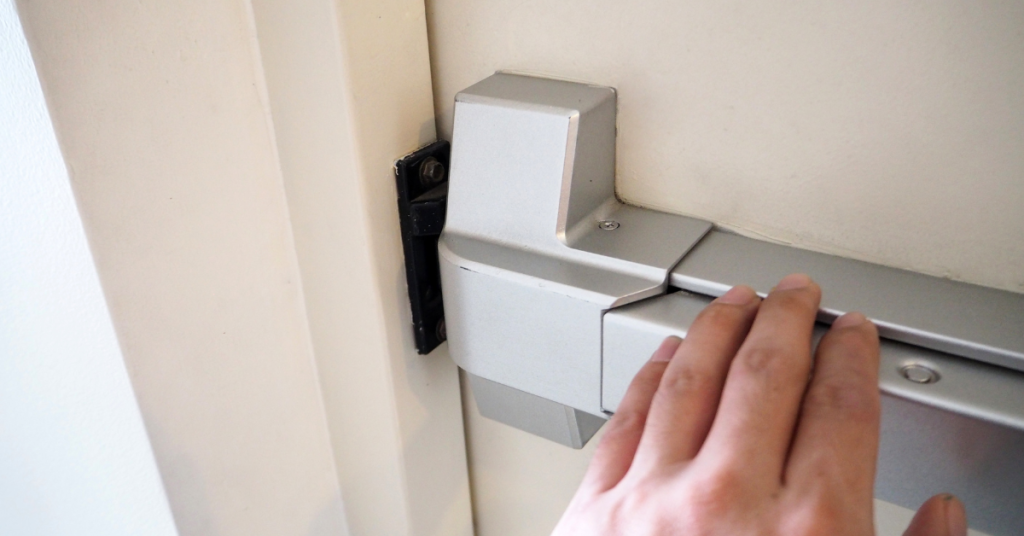
Safety Hardware
Self-closing mechanisms, panic bars, and non-slip surfaces reduce accidents.
Noise Reduction
Dense materials and proper sealing limit noise transfer between kitchen and dining areas.
Access Control
Locks, keypads, or card access can protect back-of-house areas and inventory rooms.
Choosing doors with these features ensures efficient and safe operations.
Placement and Design Considerations
Correct door placement improves workflow, safety, and comfort.
Kitchen-to-Service Zones
Double-swing doors with vision panels are preferred to allow smooth traffic flow and prevent collisions.
Walk-In Coolers and Freezers
Doors should be insulated, self-closing, and equipped with recessed handles or panic releases for safety.
Delivery and Storage Areas
Roll-up or sectional doors handle heavy loads, large equipment, and frequent opening cycles.
Front-of-House Entrances
Aluminum or glass doors balance aesthetics with functionality. Automatic sliding doors are recommended for accessibility and hands-free operation.
Utility and Waste Areas
Corrosion-resistant doors with ventilation and robust locks protect staff and maintain hygiene.
Proper placement and design reduce staff fatigue, accidents, and energy consumption.
Installation Best Practices
Professional installation ensures that doors function correctly, safely, and efficiently.
- Precise Measurements: Proper fitting prevents drafts, gaps, or misalignment.
- Reinforced Frames: Heavy doors require sturdy frames anchored securely to walls and floors.
- Correct Hardware: Quality hinges, closers, and locks reduce wear and tear.
- Compliance: Installation must meet fire safety, accessibility, and building code requirements.
- Environmental Factors: Consider humidity, temperature, and chemical exposure when choosing materials and finishes.
Proper installation increases longevity and reduces maintenance costs.
Maintenance for Longevity
Routine maintenance keeps restaurant doors operating reliably.
- Cleaning: Use mild detergents to prevent corrosion and bacterial buildup.
- Lubrication: Hinges, rollers, and tracks should be lubricated regularly.
- Hardware Check: Inspect locks, closers, and hinges for wear.
- Seal Replacement: Maintain insulation and prevent energy loss by replacing worn weatherstripping.
- Fire Door Testing: Ensure self-closing mechanisms function correctly.
- Alignment: Check for sagging or misalignment that may cause jams or damage.
A scheduled maintenance plan ensures doors last longer and operate safely.
Common Challenges and Solutions
Restaurants face typical challenges with doors, which can be mitigated with proper care.
- Impact Damage: Frequent collisions with carts or trays can dent doors. Use reinforced panels or kick plates.
- Temperature Loss: Poorly insulated doors allow air leaks. Inspect seals and upgrade insulation.
- Mechanical Failure: High-traffic areas require routine lubrication and adjustment of hinges and closers.
- Hygiene Concerns: Use stainless steel or smooth finishes to reduce bacterial growth and simplify cleaning.
- Code Compliance: Fire-rated doors must meet local safety regulations. Regular inspection ensures compliance.
Addressing these issues proactively minimizes downtime and maintains safety.
Choosing the Right Provider
Selecting a reliable provider ensures proper product selection, professional installation, and long-term service. Restaurants looking for specialized solutions can rely on providers such as commercial doors for restaurants who understand industry needs, compliance requirements, and operational efficiency.
Conclusion
Commercial doors for restaurants are more than just functional barriers. They are crucial elements that enhance efficiency, ensure safety, maintain hygiene, control temperature, and contribute to the overall customer experience. By choosing the right materials, design, installation, and maintenance strategies, restaurant owners and managers can create a safer, more efficient, and cost-effective environment for staff and guests. Investing in high-quality commercial doors ensures long-term reliability, operational smoothness, and peace of mind.